

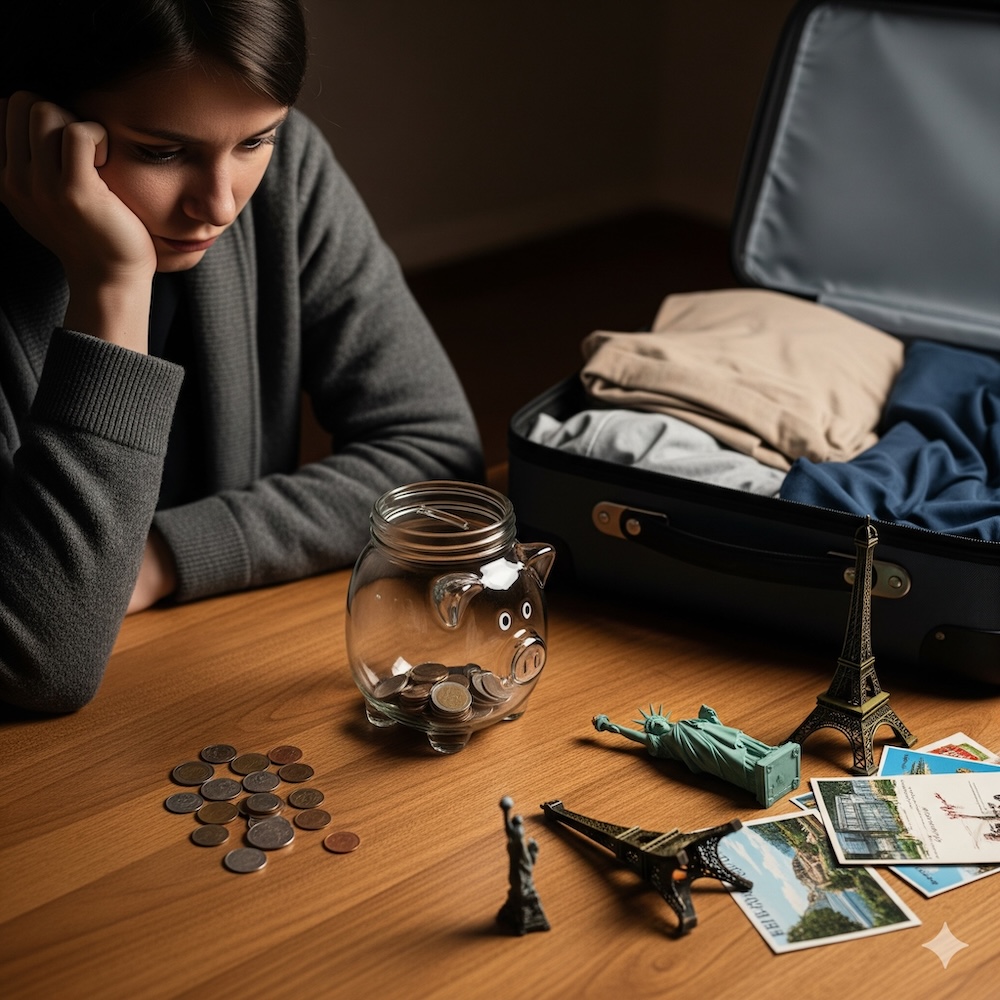
Vacations are a time for well-deserved relaxation and, often, extra expenses. Travel, dining out, souvenirs, and activities can make us lose sight of our budget, leaving us with a pleasant feeling of "vacation well-being" that abruptly clashes with the reality of our bank account upon return. This increasingly common feeling could be called "Financial Jet Lag": the euphoria of the past few days transforms into a sense of disorientation and, at times, anxiety when it comes to finances.
But don't worry, you're not alone, and more importantly, there are effective ways to get your budget back on track without excessive stress. Here are five practical strategies to regain your financial balance.
1. Do an Immediate Financial Detox
The first step is to face reality. Take a look at your bank statement or open your banking app and analyze your vacation expenses. Don't judge yourself, but take note. Immediately afterward, embark on a spending "detox": for a week or two, minimize non-essential outings. This means no dinners out, coffees at the bar, impulse purchases, or unnecessary shopping. Use pantry supplies, cook at home, and look for free or low-cost activities. This period of temporary "austerity" will help you regain control and build a small buffer.
2. Review and Cut Unused Subscriptions
How many times have we subscribed to a streaming service we rarely use, a gym we no longer go to, or apps we've forgotten about? Now's the time to do some housekeeping. Take note of all your monthly subscriptions and ask yourself: "Do I really use this? Is it essential?" Temporarily suspending or canceling one or two non-essential subscriptions can free up a small but significant amount of money each month. For example, you could pause a streaming service for a month or two, or cancel the subscription to the digital magazine you never have time to read. Every dollar counts.
3. Sell Items You No Longer Use
Have you accumulated clothes, accessories, books, electronics, or household items you haven't used in a while? Turn your excess into cash! Online platforms like Vinted, Subito.it, or local flea markets (increasingly popular in Italy) offer excellent opportunities to sell what you no longer need. It's an excellent way not only to raise some extra cash to redirect to your budget, but also to declutter and free up space in your home. A shirt that's a burden to you could be a treasure to someone else.
4. Plan Your Next Savings Goals
After managing the immediate emergency, it's crucial to look ahead. Draw up a new budget for the coming months, taking into account both fixed and variable expenses. Allocate a specific amount to savings for future goals, such as an emergency fund, a down payment for your next vacation (planning ahead saves a lot!), or an investment. Having clear goals will motivate you to maintain financial discipline and help you avoid falling back into financial jet lag after your next adventure.
5. Introduce Daily Micro-Savings
Big savings often come from small habits. Start incorporating micro-savings into your daily routine. Bring lunch from home instead of buying it out, make coffee at the office, use public transportation or walk more, or cut back on small "treats" that add up. These seemingly insignificant changes can have a significant impact on your budget at the end of the month. Many banks also offer apps that automatically round up purchases and set aside the difference: a painless way to grow your savings.
"Financial Jet Lag" is a temporary symptom, not a permanent condition. With a little awareness, discipline, and these practical strategies, you can get your finances back on track and better prepare for your upcoming adventures.