
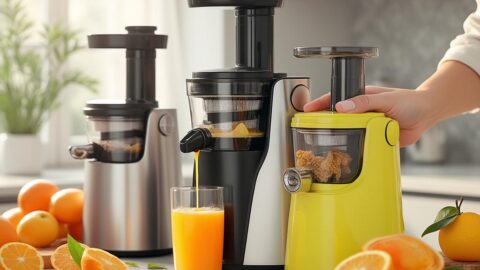
For many, the day begins with a refreshing glass of orange juice, a ritual that dates back to ancient civilizations that celebrated citrus fruits for their health benefits. The advent of electric juicers has simplified this process, combining tradition and innovation. These appliances have become essential elements in modern kitchens, promising efficiency and convenience.
Electric juicers are designed to extract juice from citrus fruits with minimal effort. They typically feature a rotating press that applies pressure to the halved fruit, squeezing the juice while simultaneously filtering out the seeds and pulp. The simplicity of this mechanism belies the technological advances that have given modern juicers extraordinary features.
Today's market offers a wide range of juicers, each with unique features. For example, centrifugal juicers operate at high speeds to quickly extract juice, while masticating juicers, or cold-press juicers, operate at a slower pace to preserve nutritional value while minimizing heat generation. The choice between these two models largely depends on consumer preferences, which prioritize flavor over nutritional content.
When purchasing a juicer, one of the main factors to consider is energy efficiency. Most juicers range in power from 30 to 160 watts. Lower-wattage juicers tend to be quieter and are suitable for occasional use. On the other hand, those who juice frequently or entertain guests may prefer higher-powered models for speed and efficiency.
In terms of design, many juicers feature sleek stainless steel exteriors that fit perfectly into modern kitchens. One example is the Breville 800CPXL, which combines industrial-grade materials with a powerful motor, earning high praise from critics and users alike. Its durability and efficiency justify its price tag of around $199.
While aesthetics are important, functionality remains key. Some models, like the Cuisinart CCJ-500, stand out for their adjustable juicer, which allows you to choose the desired level of pulp in the juice. This model is particularly popular for its affordable price, with a retail price of around $30, making it accessible to a wide range of consumers.
Another factor that influences the choice of a juicer is ease of cleaning. Many consumers fear the consequences of juicing due to the meticulous cleaning process involved. To address this issue, companies like Black & Decker have introduced models with dishwasher-safe components, ensuring that maintenance doesn't impede regular use.
However, no juicer is without its drawbacks. High-end models often have a high price tag, which may not be justified for everyone. Conversely, cheaper models may compromise durability or juice efficiency. Therefore, it's crucial for buyers to weigh their needs against their budget constraints.
Customer reviews reveal mixed opinions on noise levels. While masticating juicers are slower and quieter, centrifugal juicers, despite their speed, tend to be louder—a small inconvenience that some consumers are happy to accept for their speed. The debate reflects the long-standing debate between efficiency and quietness in home appliances.
When investing in a juicer, warranty and customer service are key considerations. Brands like Omega offer robust warranties, sometimes extending up to fifteen years, demonstrating their confidence in the product's longevity. Meanwhile, holiday sales could be an opportunity to obtain extended warranties or additional accessories, enhancing the overall value proposition.
It's worth noting an interesting cultural phenomenon: in countries like Japan, manual juicers were revered for their level of control, allowing everyone to customize the juice to their preferred consistency. Although their electric counterparts have surpassed them in popularity, manual juicers retain a niche appeal, especially among purists and enthusiasts.
The environmental impact of electric juicers cannot be ignored. Although many models are made from recyclable materials, the energy consumed during production and operation raises concerns. Consumers are encouraged to consider energy-efficient models or look for products certified by environmental organizations.
Looking to the future, the evolution of household appliances suggests the possibility of smart juicers, integrated into the broader context of the Internet of Things (IoT). Such devices could potentially communicate with other appliances, offering recommendations based on nutritional data and personal consumption habits.
Conversely, juice enthusiasts might recall the era of French art master Henri Matisse, who illustrated citrus fruits in vivid detail. If he were alive today, he would marvel at how technology has transformed a laborious tradition into a rapid, almost artistic expression of home economics.
In an effort to address consumer criticism, brands are increasingly adopting eco-friendly packaging and reducing their use of plastic. Furthermore, reparability and the availability of replacement parts have become crucial selling points, as consumers seek longevity in an era characterized by a throwaway culture.
In addition to home use, professional kitchens have long used industrial-grade juicers to meet the demands of high-demand environments. These machines are equipped with advanced sensors for optimal performance and minimal waste. Some commercial juicers can even process up to 50 oranges per minute, reflecting the relentless pace of modern restaurants.
The debate over whether to choose between freshly squeezed juice and packaged juice continues, with scientific studies highlighting the higher vitamin content of freshly squeezed juice. Experts recommend moderation, especially considering the natural sugar content of juices, which can be significant even in homemade preparations.
A common misconception is that all electric juicers produce similar-quality juice. This is contradicted by user testimonials and expert reviews, which highlight significant differences in taste, consistency, and nutritional value. Personal consultations with store representatives or online resources can help potential buyers navigate these nuances.
The future of citrus juicing is bright, fueled by a growing health-conscious community that prioritizes nutritional content in their diets. With technology constantly advancing, we're likely to see even more sophisticated juicers gracing kitchen countertops in the near future, with advanced features designed for consumer needs.
In conclusion, electric juicers offer a simple way to incorporate essential vitamins into your diet. While challenges such as price, noise, and environmental impact remain, continuous innovation is pushing the market toward easier-to-use and more eco-friendly options.
Whether you prefer the retro charm of a manual juicer or the efficiency of an electric model, juicing remains a valuable way to start or end your day. With growing awareness, consumers are encouraged to choose models that align with their lifestyle and values, ensuring that every glass of juice is as refreshing as the technology that facilitates its preparation.