
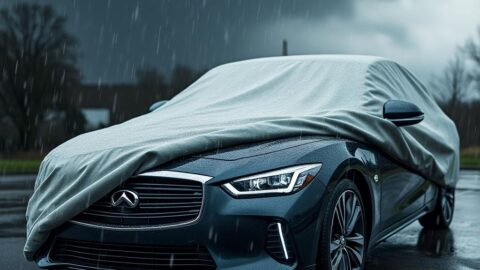
In the unpredictable dance of weather, hail proves to be one of the most fearsome adversaries for car surfaces. These icy spheres, often originating from raging storm clouds, can cause extensive damage to vehicles, resulting in costly repairs and a significant drop in resale value. To counter this threat, a rapidly growing market for hail-proof car covers has emerged, an essential tool for vehicle owners.
Hail covers for cars are protective covers specifically designed to protect vehicles from hail damage. They are made with advanced materials that absorb and disperse hail impact, preventing dents, scratches, and broken glass. The growing popularity of these products can be attributed to the increase in extreme weather events linked to climate change. According to recent studies, hail damage has increased, particularly in areas such as the central United States, parts of Europe, and parts of Australia. In regions such as Tornado Alley, these covers have become almost as indispensable as the vehicles they protect.
The materials used in hail covers are a testament to the marvels of modern engineering. The outer layer is typically made of polyester or polypropylene, known for their water and UV resistance. Beneath this layer is a padded layer, often made of foam, which serves as the primary defense against hail impact. This foam is designed to dissipate the kinetic energy of hail, minimizing potential damage. Additionally, some high-end hail covers feature inflatable bladders that can be activated in anticipation of a storm, providing enhanced protection thanks to a cushion of air.
The functionality of hail car covers goes beyond simple protection during storms. Many models are designed for multi-season use, offering protection from other elements such as sun, rain, and dust. This versatility is a major selling point for consumers, especially in regions with variable weather conditions. Ease of installation and storage is also appreciated by consumers; most covers are lightweight and come with quick-installation guides, allowing users to quickly install them at the first sign of an impending storm.
In terms of price, hail car covers vary greatly depending on the quality of the materials and the level of protection offered. Basic models can be found starting at $50, typically offering adequate protection against occasional storms. However, in areas prone to frequent adverse weather conditions, investing in a high-end cover priced above $300 may be more prudent. These premium options often include advanced features such as remote activation, improved padding, and even smart technology integrations that alert users of upcoming weather warnings.
The global hail cover market is as diverse as the weather conditions they are designed to protect against. In North America, sales are highest in states like Texas, Colorado, and Oklahoma, where hail is a well-documented threat. In Europe, adoption rates are rising in countries like Germany and Austria, particularly among car enthusiasts. Conversely, in parts of Asia, where hail is less frequent, market penetration remains modest but steadily growing.
The effectiveness of hail covers has been emphasized not only by consumers, but also by automotive industry experts. Dr. Lisa Durant, a meteorologist specializing in the impact of climate on urban infrastructure, notes that "the increased use of hail covers reflects a growing consumer awareness of proactive protection measures. It's a cost-effective strategy for mitigating potential weather-related damage." These sentiments are shared by auto insurance professionals, who promote preventative measures as a means of reducing claims and increasing vehicle longevity.
Historically, hail damage was largely mitigated by sheltering in garages or under tree canopies, although this isn't always feasible. With urbanization and the rise of multi-vehicle households, covered parking has become a luxury not everyone can afford. The advent of portable, reliable, and affordable hail protection truly represents a modern solution to this age-old problem.
Interestingly, while many associate hail covers with protection, some enthusiasts see them as an opportunity for customization. Companies now offer customization services, allowing buyers to choose from a variety of colors and patterns, ensuring functionality doesn't come at the expense of aesthetics. This trend is particularly evident in regions with a strong culture of car modifications and customization.
In conclusion, hail covers for cars represent a perfect blend of modern technology and practical needs. As weather conditions continue to evolve, the demand for these protective measures is likely to grow. For vehicle owners, especially in hail-prone regions, investing in a quality hail cover not only provides peace of mind but also preserves the longevity and value of their vehicles. As the market expands, consumers can expect even more innovative solutions, reinforcing the idea that sometimes the best defense is a sturdy cover.